
Best Plants for the Office
When you think about Best Plants for the Office, the first things that usually come to mind are desks, computers, files, and maybe a coffee machine in the corner. For decades, workplaces were designed for function and efficiency, but they often lacked warmth, color, and natural elements. Recently, however, office design has shifted. Employers and workers alike now understand the importance of creating spaces that don’t just look professional but also feel comfortable, inspiring, and healthy. One of the simplest yet most powerful ways to achieve this transformation is through plants.
The presence of plants in the workplace is more than an aesthetic choice. Adding greenery to your office is linked to better mental health, reduced stress, increased productivity, and even improved indoor air quality. In fact, research has consistently shown that employees working in spaces with plants are happier, more creative, and less likely to feel fatigued. Plants bring life to otherwise dull rooms, making them vibrant and inviting.
Still, the challenge for most offices is that they aren’t like traditional gardens. Workplaces often have limited sunlight, irregular watering schedules, and fluctuating temperatures because of air conditioning and heating systems. Not all plants can handle these conditions. That’s why selecting the best plants for office spaces is so important. These are plants that thrive with minimal care, adapt to low light, and stay attractive year-round.
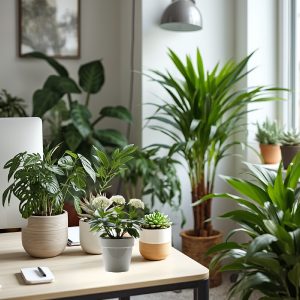
This guide will introduce you to the top plants for office desks, corners, and shared areas. We’ll explore their benefits, care tips, and placement ideas. By the end, you’ll have a complete roadmap to building a greener, healthier, and more productive work environment.
Why Office Plants Are Essential
Before listing the best plants for office use, it’s important to understand their role in the modern workplace. They aren’t just pretty decorations; they are natural tools for improving overall well-being and efficiency.
1. Stress Reduction
Several studies, including those from the Journal of Environmental Psychology, have confirmed that looking at greenery—even for a few minutes—lowers stress levels. During high-pressure projects or meetings, simply having a plant nearby can create a calming effect.
2. Cleaner Air
Indoor air often contains toxins from cleaning products, paint, and office furniture. Plants like the spider plant, peace lily, and snake plant absorb these toxins and release oxygen, making the environment healthier.
3. Better Productivity
The University of Exeter found that employees working in plant-filled offices are 15% more productive than those in barren environments. Plants can sharpen focus, reduce fatigue, and improve memory retention.
4. Improved Creativity
Nature has long been linked to creative inspiration. Offices with plants encourage brainstorming and innovative thinking, especially in industries that rely heavily on ideas.
5. Noise Control
Open-plan offices often suffer from noise distractions. Large leafy plants help absorb sound and create a quieter workspace.
6. Enhanced Aesthetics
First impressions matter. Clients walking into an office filled with healthy, well-placed plants perceive the company as welcoming, professional, and trustworthy.
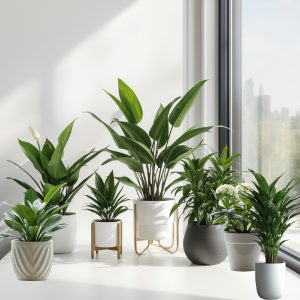
Top 12 Best Plants for Office Spaces
Now, let’s dive into the best plants for office environments. These are selected for their resilience, beauty, and ability to thrive indoors with minimal care.
1. Snake Plant (Sansevieria)
-
Why it’s great: Known as the “mother-in-law’s tongue,” the snake plant is nearly indestructible. It survives low light, irregular watering, and fluctuating office conditions.
-
Benefits: Excellent air purifier; removes toxins like benzene and formaldehyde.
-
Care tips: Water once every 2–3 weeks; allow the soil to dry between waterings.
2. ZZ Plant (Zamioculcas zamiifolia)
-
Why it’s great: This glossy-leafed plant is perfect for desks with little to no natural light.
-
Benefits: Tough, stylish, and drought-resistant.
-
Care tips: Needs watering once every 2–3 weeks; thrives in low light.
3. Peace Lily (Spathiphyllum)
-
Why it’s great: Adds elegance with its dark green leaves and white flowers.
-
Benefits: Known for filtering harmful toxins and improving indoor air quality.
-
Care tips: Prefers indirect light; water weekly.
4. Spider Plant (Chlorophytum comosum)
-
Why it’s great: One of the most beginner-friendly plants. Its striped leaves brighten up any space.
-
Benefits: Removes carbon monoxide and other pollutants.
-
Care tips: Water moderately; thrives in indirect sunlight.
5. Aloe Vera
-
Why it’s great: Functional and attractive, aloe vera also provides natural gel for minor cuts or burns.
-
Benefits: Cleans the air while offering medicinal properties.
-
Care tips: Needs bright light; water sparingly.
6. Bamboo Palm (Chamaedorea)
-
Why it’s great: Adds a tropical feel to offices and is safe for pets.
-
Benefits: Filters air and adds humidity, which helps in dry office environments.
-
Care tips: Keep soil slightly moist; prefers low to medium light.
7. Rubber Plant (Ficus elastica)
-
Why it’s great: Its broad glossy leaves make a bold statement in office corners.
-
Benefits: Removes indoor toxins; long-lasting with proper care.
-
Care tips: Moderate watering; indirect light.
8. Pothos (Epipremnum aureum)
-
Why it’s great: Also called devil’s ivy, pothos can grow in water or soil, making it versatile for desks.
-
Benefits: One of the best air purifiers.
-
Care tips: Low maintenance; thrives in low light and irregular watering.
9. Philodendron
-
Why it’s great: Heart-shaped leaves bring warmth to office spaces.
-
Benefits: Hardy and forgiving of neglect.
-
Care tips: Water once a week; enjoys indirect light.
10. Succulents (Various types)
-
Why it’s great: Compact, trendy, and perfect for desks.
-
Benefits: Minimal care; adds beauty in small spaces.
-
Care tips: Bright light; water sparingly.
11. Fiddle Leaf Fig (Ficus lyrata)
-
Why it’s great: A stylish plant often used in modern offices.
-
Benefits: Makes a bold design statement.
-
Care tips: Needs bright, filtered light; water when the soil feels dry.
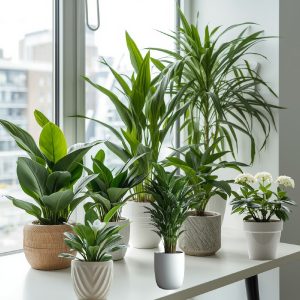
12. Lucky Bamboo (Dracaena sanderiana)
-
Why it’s great: Symbol of good fortune, popular in Feng Shui.
-
Benefits: Compact and attractive.
-
Care tips: Grows in water or soil; low light tolerant.
Additional Plants Worth Considering
If you’re building a diverse office garden, also consider:
-
Areca Palm for large open spaces.
-
English Ivy for shelves and hanging pots.
-
Cast Iron Plant for nearly indestructible greenery.
-
Air Plants (Tillandsia) for creative arrangements without soil.
How to Choose the Right Office Plant
When selecting the best plants for office spaces, consider these factors:
-
Light Availability: Choose low-light plants for windowless rooms.
-
Space: Compact plants for desks, large ones for corners.
-
Maintenance: If you’re often busy, stick to hardy varieties.
-
Design: Match plant colors and shapes to your office style.
How to Care for Office Plants
-
Watering: Overwatering is the most common mistake. Always check the soil before watering.
-
Light Placement: Rotate plants occasionally to ensure even growth.
-
Dusting: Wipe leaves regularly to keep them healthy and shiny.
-
Pruning: Trim dead leaves to encourage new growth.
Benefits Beyond Beauty
Adding the best plants for office spaces has long-term benefits:
-
Improved employee morale.
-
Reduced absenteeism.
-
Increased job satisfaction.
-
A healthier, more inspiring environment.
Conclusion
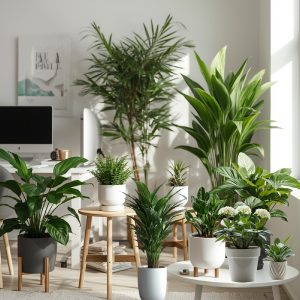
Plants are more than just office décor; they are natural partners in creating a healthier, happier, and more productive workplace. Whether it’s a low-maintenance snake plant, a vibrant peace lily, or a stylish fiddle leaf fig, the right greenery can transform your office environment.
By choosing the best plants for office spaces—those that thrive indoors with minimal care—you bring life, energy, and a touch of nature into your daily work routine. From cleaner air to reduced stress and enhanced creativity, the benefits are undeniable.
So, if your workspace feels dull or uninspiring, don’t just add another lamp or poster—add a plant. Let nature do the decorating, and watch how a simple touch of green can transform your office into a place of growth and well-being.