
Best Plants for Sleep
The best plants for sleep not only beautify your living space but also purify the air, release oxygen, and create a calming atmosphere that promotes deep, restorative rest. Sleep is one of the most important aspects of health and well-being, yet many people struggle with poor sleep quality, restlessness, or insomnia. While lifestyle changes such as meditation, exercise, and avoiding screens before bed can help, an often-overlooked solution is the use of plants in the bedroom.
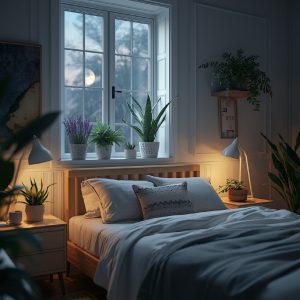
If you’ve ever walked into a room filled with lush greenery, you’ve probably felt an immediate sense of calm. This effect isn’t just psychological—certain indoor plants are proven to reduce toxins, lower stress, and regulate humidity, all of which contribute to better sleep. In this guide, we’ll explore the top plants that can improve sleep quality, their unique benefits, and how to care for them in your bedroom.
Why Plants Can Improve Sleep
Before diving into the list of the best plants for sleep, it’s worth understanding why greenery is so effective for relaxation.
1. Air Purification
NASA’s Clean Air Study found that certain houseplants remove toxins such as benzene, formaldehyde, and trichloroethylene from the air. Cleaner air means easier breathing at night, leading to deeper sleep.
2. Oxygen Release
Some plants release oxygen at night instead of during the day. This unique quality makes them especially useful in bedrooms.
3. Stress Reduction
Plants lower cortisol levels and create a calming environment, both of which are essential for winding down before bedtime.
4. Natural Aromatherapy
Many of the best plants for sleep emit soothing fragrances like lavender or jasmine, known for their ability to calm the nervous system and promote relaxation.
5. Humidity Balance
Plants naturally release moisture into the air, which helps prevent dryness, sore throats, or nighttime coughing.
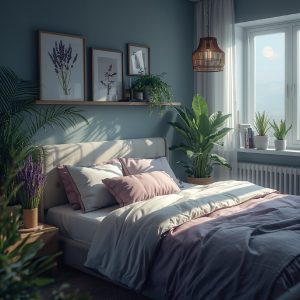
Top 15 Best Plants for Sleep
Let’s explore some of the most effective indoor plants that can transform your bedroom into a peaceful sanctuary.
1. Lavender
Lavender is world-renowned for its calming fragrance. Studies show that the scent of lavender lowers heart rate, reduces anxiety, and improves sleep quality. Whether you keep it in a pot by your bed or use lavender essential oils, it’s one of the most powerful natural sleep aids.
-
Care Tips: Place in bright light, water sparingly, and ensure proper drainage.
2. Jasmine
Jasmine has delicate white flowers that release a sweet fragrance, proven to improve sleep quality and reduce restlessness. A study published in the Journal of Biological Chemistry showed that jasmine aroma acts as a mild sedative.
-
Care Tips: Needs indirect sunlight, moderate watering, and occasional pruning.
3. Snake Plant (Sansevieria)
Also known as “Mother-in-Law’s Tongue,” the snake plant is one of the best plants for sleep because it releases oxygen at night, purifies toxins, and is almost impossible to kill.
-
Care Tips: Tolerates low light, minimal watering required, hardy, and low-maintenance.
4. Aloe Vera
Aloe vera is another plant that produces oxygen at night. In addition, it helps absorb harmful indoor pollutants and looks great as décor.
-
Care Tips: Prefers indirect sunlight, occasional watering, and sandy soil.
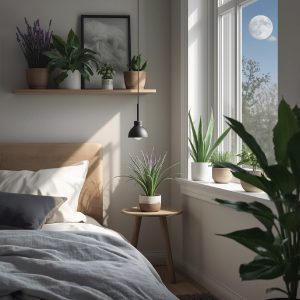
5. Peace Lily
Peace lilies are elegant, flowering plants that not only filter toxins but also increase room humidity by up to 5%. This can reduce dry skin, itchy eyes, and nighttime irritation.
-
Care Tips: Indirect light, weekly watering, and occasional leaf wiping to remove dust.
6. English Ivy
English ivy is recommended by NASA for its excellent air-purifying abilities. It reduces airborne mold particles, making it ideal for people with allergies or asthma that disrupt trouble sleeping.
-
Care Tips: Bright indirect light, regular watering, prefers cooler rooms.
7. Valerian
Valerian has been used for centuries as a natural remedy for insomnia. Its pink or white flowers release a fragrance that encourages sleep. Some people also use valerian root supplements, but the plant itself has calming properties.
-
Care Tips: Needs six hours of sunlight daily, water regularly.
8. Gardenia
Gardenias are beautiful flowering plants with a strong, soothing fragrance. Research suggests that gardenia scents are as effective as certain medications for reducing anxiety and improving sleep.
-
Care Tips: Needs bright, indirect light, moist but not soggy soil.
9. Gerbera Daisy
Unlike most plants, gerbera daisies release oxygen at night, making them one of the best plants for sleep. Their cheerful flowers also brighten up the bedroom.
-
Care Tips: Requires good sunlight, well-drained soil, and moderate watering.
10. Spider Plant
Spider plants are low-maintenance and excellent air purifiers. They absorb carbon monoxide, benzene, and other toxins while also producing fresh oxygen.
-
Care Tips: Thrives in indirect light, water weekly, grows well in hanging baskets.
11. Bamboo Palm
The bamboo palm is a natural humidifier that keeps air moist, helping those who suffer from dry throats or congestion at night.
-
Care Tips: Prefers indirect sunlight, regular watering, and occasional misting.
12. Chamomile Plant
Chamomile is best known as a soothing tea, but the plant itself also has calming qualities. Keeping chamomile in your bedroom adds fragrance and promotes better sleep.
-
Care Tips: Needs full sun, light watering, and grows well in pots.
13. Rosemary
Rosemary’s earthy fragrance helps lower anxiety and improve memory retention while also aiding sleep.
-
Care Tips: Needs at least six hours of sunlight, well-drained soil, and occasional trimming.
14. Areca Palm
The areca palm is one of the best plants for sleep due to its ability to purify toxins and maintain healthy humidity levels indoors.
15. Pothos (Money Plant)
Pothos is not only easy to grow but also one of the best climbers for air purification. It reduces indoor pollutants and adds a calming green touch to bedrooms.
-
Care Tips: Low light tolerant, requires watering only when the soil is dry.
How to Arrange Plants in Your Bedroom for Better Sleep
It’s not just about choosing the right plants but also placing them correctly.
-
Keep one or two fragrant plants like lavender or jasmine near your bed.
-
Place oxygen-releasing plants like snake plant or aloe vera on the opposite side of the room.
-
Use hanging baskets for spider plants or pothos to save space.
-
Avoid overcrowding; too many plants may increase humidity excessively.
Additional Tips for Better Sleep with Plants
-
Water Moderately – Overwatering can lead to mold, which disrupts air quality.
-
Use Natural Pots – Clay or ceramic pots help maintain soil balance.
-
Prune Regularly – Trim excess growth to keep plants healthy.
-
Choose Low-Maintenance Varieties – If you’re a busy person, stick with hardy plants like snake plant or pothos.
Mistakes to Avoid
-
Placing plants in dark corners with no light.
-
Choosing high-maintenance species if you’re a beginner.
-
Overwatering can damage both the plant and indoor air quality.
-
Expecting instant results—plants improve sleep gradually over weeks.
results
The best plants for sleep do more than decorate your bedroom. They create a tranquil environment, improve air quality, and promote deeper rest. From fragrant lavender and jasmine to hardy snake plants and aloe vera, each of these indoor plants has unique benefits that can transform your nights.

If you struggle with restless sleep, adding a few of these plants to your space may be the natural solution you need. Instead of relying solely on artificial remedies, let nature’s greenery work its magic. With the right care and placement, your bedroom can become a soothing sanctuary where sleep comes easily and naturally.