
Best Lighting for Indoor Plants
Whether you’re growing decorative foliage, herbs, or flowering species, the best lighting for indoor plants is essential for growth, health, and beauty. Indoor gardening is more popular than ever, but one of the biggest challenges plant lovers face is ensuring their green companions receive the right amount of light.
Unlike outdoor gardens, where natural sunlight is abundant, indoor settings require more planning. Walls, curtains, and ceilings limit direct sunlight, which means your houseplants often struggle without the right adjustments. Choosing the best grow lights for indoor plants or knowing how to position them near windows can make all the difference.
In this article, we’ll explore natural and artificial lighting solutions, the types of plants suited for different conditions, and expert tips for keeping your indoor garden thriving year-round.
Why Lighting Matters for Indoor Plants
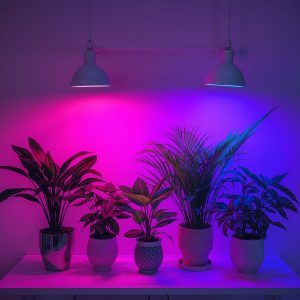
Light is the primary energy source for plants. Through photosynthesis, plants convert light into food, enabling growth, flowering, and seed production. Without proper light, your plants may:
-
Become leggy and weak.
-
Show pale or yellowing leaves.
-
Fail to bloom or produce healthy foliage.
-
Eventually, wither and die.
That’s why investing time in understanding the best lighting for indoor plants is as important as watering and fertilizing.
Natural Lighting vs. Artificial Lighting
Indoor gardeners have two main options when it comes to light: natural sunlight and artificial light. Both have unique advantages.
1. Natural Light for Indoor Plants
For many homes, natural sunlight streaming through windows provides sufficient energy. South-facing windows usually offer the brightest light, while north-facing ones give minimal exposure.
Best plants for natural light:
-
Succulents
-
Cacti
-
Aloe Vera
-
Jade Plant
-
Spider Plant
2. Artificial Light for Indoor Plants
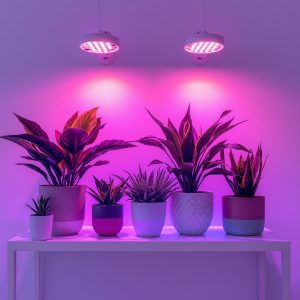
When natural light is insufficient, artificial solutions are the way forward. Modern LED grow lights and fluorescent lamps replicate sunlight, making them the best grow lights for indoor plants in any climate or season.
Best plants for artificial light:
-
Herbs (basil, parsley, mint)
-
Leafy greens (lettuce, spinach)
-
Indoor flowering plants
-
Tropical houseplants
Types of Artificial Lights for Indoor Plants
When selecting the best artificial lighting for indoor plants, it’s important to understand the different options available:
1. LED Grow Lights
-
Energy-efficient and long-lasting
-
Emit full-spectrum light similar to sunlight.
-
Don’t overheat, making them safe for small spaces.
-
Available in adjustable intensity settings
2. Fluorescent Lights
-
Affordable and widely available
-
Best for seedlings, herbs, and small plants
-
Cool light prevents overheating.
-
T5 and T8 tubes are the most common choices
3. Incandescent Bulbs
-
Low cost but inefficient
-
Produce more heat than light.
-
Not recommended for most houseplants
4. Halogen Lights
-
Brighter than incandescent
-
Provide good intensity, but consume more electricity.
-
Better suited for large plants needing strong light
Understanding Light Spectrum for Plants
Plants don’t just need “light”—they need the right spectrum of light:
-
Blue Light (400–500 nm): Promotes leafy growth, ideal for herbs and foliage plants.
-
Red Light (600–700 nm): Encourages flowering and fruiting.
-
Full-Spectrum Light: Mimics natural sunlight, making it the best lighting for indoor plants overall.
This is why LED grow lights for indoor plants are so effective—they combine both red and blue wavelengths.
Best Lighting Setup for Indoor Plants
To create the ideal setup, consider these factors:
1. Placement
-
Place plants near east or south-facing windows.
-
Use reflective surfaces like mirrors or white walls to maximize light.
-
For artificial lights, keep bulbs 6–12 inches above the plants.
2. Duration
Most indoor plants need 12–16 hours of light per day. Use timers to regulate exposure.
3. Distance
-
LED grow lights: 12–24 inches above plants
-
Fluorescent lights: 6–12 inches above plants
-
Too close = overheating; too far = insufficient light
Best Plants for Low Light Conditions
Not all plants need bright light. Some thrive in shady corners with minimal sunlight. These are the best indoor plants for low light:
-
Snake Plant
-
ZZ Plant
-
Peace Lily
-
Philodendron
-
Pothos (Money Plant)
These hardy species make great options for offices, bedrooms, or hallways.
Signs Your Plant Needs More Light
It’s easy to spot when your plants aren’t getting enough light:
-
Stretching toward windows
-
Pale or yellow leaves
-
Slow growth or no new leaves
-
Leaves falling off
Adjusting the light source or adding artificial grow lights can revive them quickly.
Seasonal Considerations
Lighting needs change with the seasons:
-
Spring/Summer: Plants may need shading to prevent scorching.
-
Autumn/Winter: Increase artificial light hours due to shorter days.
-
Tropical plants: Often require consistent light year-round.
Benefits of Using the Best Lighting for Indoor Plants
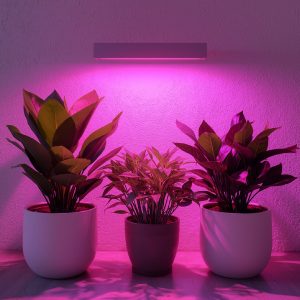
Proper lighting offers more than just healthy plants. It also gives:
-
Improved Air Quality – Healthy plants absorb more toxins.
-
Aesthetic Appeal – Vibrant, green, and blooming plants enhance interiors.
-
Stress Relief – Thriving greenery improves mood and reduces anxiety.
-
Increased Productivity – Studies show houseplants boost concentration in workspaces.
Common Mistakes to Avoid
Even with the best grow lights for indoor plants, mistakes can reduce effectiveness:
-
Using the wrong type of light (incandescent instead of LED/fluorescent)
-
Keeping the lights too far away
-
Running lights 24/7 (plants need rest, too!)
-
Ignoring seasonal adjustments
-
Forgetting to rotate plants for even light exposure
Budget-Friendly Lighting Ideas
If you’re new to indoor gardening, you don’t have to spend big. Some affordable hacks include:
-
Clamp lamps with LED bulbs for small herb gardens
-
DIY reflective panels to maximize window light
-
Compact fluorescent lamps (CFLs) are a cheap grow light option.
-
Timer switches to regulate light duration automatically
Matching Plants to Lighting Types
Here’s a quick guide:
-
Herbs (basil, mint, oregano): LED or fluorescent
-
Succulents & Cacti: Bright window sunlight or LED
-
Flowering Plants (orchids, jasmine): LED with red spectrum emphasis
-
Tropical Plants (philodendron, monstera): Full-spectrum LED

Results
Choosing the best lighting for indoor plants ensures that your greenery doesn’t just survive—it thrives. Whether you rely on natural sunlight or invest in LED grow lights for indoor plants, the key is consistency and balance.
With the right light spectrum, placement, and duration, you can grow herbs, flowers, and even tropical plants indoors with ease. From low-light indoor plants to sun-loving succulents, every plant can flourish when given the right energy source.
So, if you’ve struggled with yellowing leaves or weak stems, it’s time to adjust your setup. Invest in full-spectrum grow lights, place your plants strategically, and watch your indoor garden transform into a lush, vibrant sanctuary.