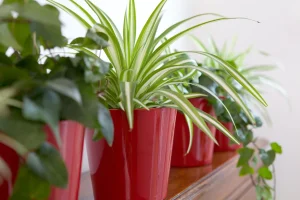
Plant grow
Plants grow by harnessing sunlight, water, and carbon dioxide to manufacture energy. This implies the entity could power its roots, stems, leaves, or flowers using such energy. As the plant grows, it absorbs water and nutrients from the soil through the roots and uses the light to synthesize chlorophyll green pigment for energy. Plants can grow and may change shape, stretch themselves outside, and produce seeds or fruits to ensure their reproductive success. All the factors of growth, from temperature to species and the quality of the soil in which it is planted, the amount of water held within the soil, will determine how well and how fast a plant will thrive.
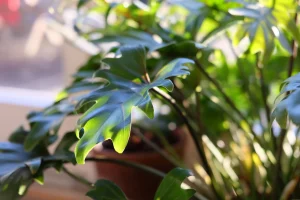
Cheese plant
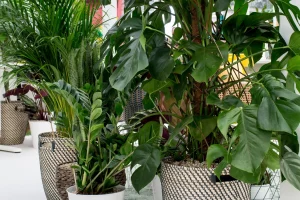
The popular, fashionable houseplant Monstera deliciosa is also the cheese plant for its large, dark green leaves, heart-shaped and featuring natural holes or splits. Native to Central and South America, this tropical plant has significant growing potential in the right conditions. Foliaceous fenestration holes appear as the plant matures, allowing it to stay alive through gust and wet weather in the wild.
Cheeses prefer to have indirect water and rich-draining soil but, in reality, should be watered only when the soil has dried out before being moist again. A striking indoor plant with beautiful foliage, it is an air-purifying, functional decorative.
grow plant
Plants should possess the right quantities of light, water, soil, and nutrients to be able to grow plant adequately. Development systems require good drainage and rich nutrients in the soil. Other than proper light, plants also require sunlight: Some have a full amount of direct sunlight, while others prefer partial shade. Depending on the growth cycle, the plant may sometimes require pruning or repotting. Support to shape up the form could be at points.
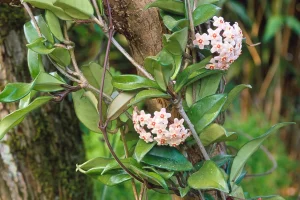
inside plant
Inside plants, simply houseplants, can help bring nature to your indoor space with cleaner air, and of course, some greenery feel to your home or office. Such indoor plants have conventionally been a popular choice because of their success in thriving even in very minimal light and controlled environments. Some of the most common indoor plants are species including snake plants, spider plants, pothos, and peace lilies relatively low maintenance and well-adapted for life indoors. For instance, dusting off leaves, general pest monitoring, and other similar maintenance activities would continue to make the indoor plants grow and thrive, thus providing your dwelling as a source of serenity but an aesthetic feast.
Houseplants
Houseplants, when grown indoors, must be kept away from direct sunlight, as too much direct sunlight can burn the leaves of these plants. Watering is the mistake most people commit when nurturing houseplants; ensuring that the soil dries somewhat will prevent problems like root rot. Other than that, many houseplants require regular misting or should be kept in a humid room, depending on the species’ natural environmental conditions in some tropical regions.
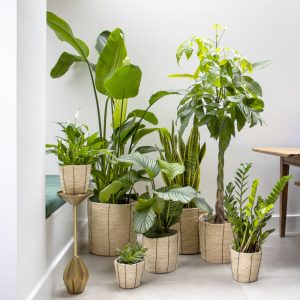
monstera plant
Its name, deliciosa comes from the production of a fruit that is edible in its native habitat. While such fruits are rare when grown indoors, they are still beautiful plants as well.
Monsteras pants prefer bright, indirect light but can tolerate lower light conditions. They thrive in well-draining soil and need regular watering, allowing them to dry slightly between waterings.
generally
As they generally have aerial roots that can extend out to help with their climbing in nature, support from a moss pole can encourage growth in a vertical direction. This is why Monstera has turned out to be one of the favorites among plant fanatics as well. The plants are easy to care for and therefore boast a dramatic presence for this very reason.
Plants
There are houseplants for example-ferns, succulents, and peace lilies-for example-that can survive indoors. Some plants such as towering trees or beautiful wildflowers grow outdoors. Their root system keeps them in the soil from which they obtain minerals and water. Leaves are exposed to sunlight to undergo photosynthesis.
Apart from playing a biological role, plants have aesthetic and medicinal value, and many varieties are used in gardens and landscapes, in the culinary preparation of foods, and in the practice of traditional healing. Whether grown in a forest or field or at home, plants add richness to our environment and play a vital role in life on Earth.
Outdoor plants
Outdoor plants are those plants in their specific natural surroundings; this includes gardens, yards, and landscaping by which they are subjected to variable sunlight, rainfall, and seasonal changes. Flowers are divided into perennial and annual flowering perennials and annuals, shrubs, trees, and grasses. Among the favorites are roses, lavender, hydrangeas, and ornamental grasses, as well as vegetable crops like tomatoes and peppers combined with herbs growing in the garden bed.
Outdoor plants require larger areas to grow and appreciate other natural conditions, such as rainwater and fresh air.