
Winter trees
Winter trees be a bad time for all living things. For trees, it is like being lashed by the forces of nature. Trees cannot escape freezing temperatures, heavy snow, or even high, cold winds as other living things that move to a comfortable site. Trees have a way of withstanding them, however.
“Trees have developed several adaptations over the centuries to help them survive these harsh conditions,” says Robert Bardon, professor of forestry and environmental resources at the NC State College of Natural Resources.
For instance, deciduous trees hibernate to conserve their energy resources. This is what is referred to as the dormancy stage which starts in autumn. With the lowering temperature and reduction of daylight, trees produce a stress hormone called abscisic acid.
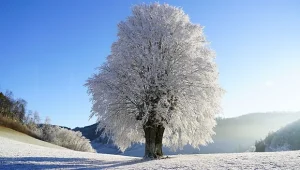
Plant trees
During water stress, abscisic acid creates some of the barrier between leaves and stems, blocking water and nutrient flow. Plant trees inhibits trees from producing chlorophyll, the green pigment in leaves responsible for the photosynthesis process, enabling plants to convert carbon dioxide and water into a form of sugar.
This stops the production and the leaves eventually change color, die, and fall off. It also decreases the metabolism and growth rate of the trees so that in winter, they will use up conserved sugar and manage to survive. Winter plants for pots leaves to carry on photosynthesis, dormant trees depend on sugar stored during spring and summer to survive. This stored sugar will sustain the roots and other internal structures from damage and will help the antifreeze effect by lowering the freezing point of the cells inside the tree.

Best winter trees
Best winter trees coniferous trees also, like pines and spruces, shut down their growth for winter, but they do not go completely dormant. Their needles have a thick, waxy coating, retaining more water than normal leaves allow; this enables them to capture more sunlight and the needles all year round.
With such adaptations, however, extreme conditions can still be severe to the trees. Particularly, if temperatures fall too low, sap running inside a tree may freeze just beneath its bark. Since sap contains water, it expands when frozen and may cause the crack or split of the tree’s bark.
Such a thing acts like insulation to the trees, and it them from very low temperatures. If this were to crack, it would leave the inner wood of the tree open to cold-temperature damage. Younger trees are more susceptible to this because their bark is thin and does not handle sudden temperature changes than older trees.
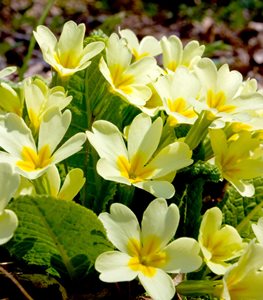
Winter plants
Winter plants also suffer from heavy snow, ice, and winds. Winter grass snow and ice gathering can break branches, while strong winds can snap or uproot trees whose roots are poorly anchored.
Winter conditions may also impact spring growth. Flower buds are most hardy in deep dormancy, but if they break dormancy during an early spring warm spell and are subjected to a late frost, they may be damaged.
The risk of frost damage varies with locality. Most trees are adapted and can withstand the coldest temperature within their native range. However, trees native to the warm parts of a country the trees of the southern United States sometimes find it very hard in winter.
Whereas winters are getting shorter and warmer due to climate change, that doesn’t eliminate the threat of frozen temperatures and other harsh conditions. Some studies indicate global warming could be sliding Arctic air south more frequently, making for more brutal winters.

native trees
“Our native trees are adapted to these events,” Bardon says. “But there are steps people can take to improve their chances of survival.
The provided guideline by the USDA Plant Hardiness Zone Map helps tree species that will thrive in certain climatic conditions. This means that when a suitable hardiness zone is selected, people are guaranteed to plant trees adapted to the winter conditions of the region.
Besides proper selection of the trees, mulching around the base of trees helps to keep tree roots warm during extreme cold snaps. The application of maintenance during the growing season is also important.
Other methods for added protection include wrapping burlap and chicken wire around the saplings to protect them from extreme conditions. Naturally, sufficient water is to be provided since a large part of the tree consists of water. To save on water, the deciduous would shed leaves during winter, and the coniferous trees would retain needles that would reduce evaporation.
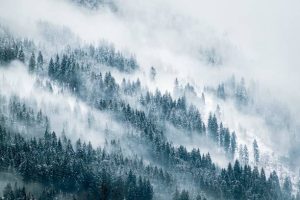
winter greenhouse
Trees exhibit three stages of rest: early rest, winter rest, and after rest. These are different physiological processes that prepare trees to withstand winter conditions. Winter greenhouse begins in late summer with shortening day length, and progressive acclimation to colder temperatures as reflected by fall color development. Younger trees are more susceptible to this because their bark is thin and does not handle sudden temperature changes than older trees.