
Winter plants
Winter plants don’t have to bid your lovely garden and patio plants farewell as the first frost draws near. Most outdoor plants, including some tropical species such as hibiscus or mandevilla, can be brought inside to double as houseplants during the colder months. This way, you will save money since you will not need to buy those plants the following year.
Winter plants for pots bringing plants indoors also comes with pitfalls, the biggest one being how to get enough light onto them. “A bright, sunny south-, west-, or east-facing window is best,” says Justin Hancock, a horticulturist with Costa Farms. “If you don’t have enough natural light, consider supplementing with grow lights or even just a basic LED strip light.
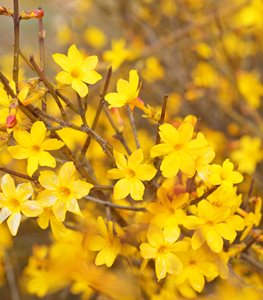
Winter grass
Winter grass all plants will make it inside, but it’s worth trying those with which you don’t want to part company. Very quickly you’ll discern which ones are low-maintenance and which are simply too needy or messy to keep around. Plants that make it through winter can be readmitted to the great outdoors next spring when nighttime temperatures begin rising above 50 degrees. Extreme changes- such as outdoors in full sun to suddenly indoors in relatively low light to stress most plants.
Winter outdoor plants
Winter outdoor plants instance, citrus trees need to be acclimated to interior light says horticulturist Danny Trejo. Take them to a shaded area a week or so before bringing them inside he says. Prune your still-thriving plants, which can be painful, but it gets them prepared for indoor living.
“Most plants benefit from being trimmed back a quarter to half,” he says. Winter outdoor plants reduces leaf drop indoors and encourages new growth that develops in better accordance with reduced light levels inside Before bringing your plants indoors inspect each one for pests. Look at every leaf for indications such as sticky residue left behind by an infestation of insects that have excreted honeydew or discolored leaves, which may betray the presence of spider mites. Many pests can be washed from plants with a strong spray from a garden hose.
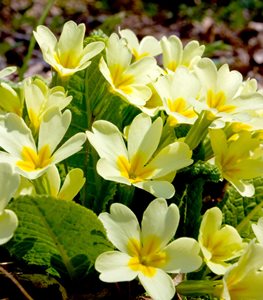
Winter bulbs
Some gardeners also use neem oil or insecticidal soap as a precautionary measure at this time, being sure to get it on both sides of the leaves.
Winter bulbs when nighttime temperatures begin to fall into the 50s. The likes of citrus trees can go down to the 40s, but one can never be in too early.
Indoor plants
Indoors plants may drop some leaves at first, but don’t be alarmed-most will bounce back within a couple of weeks. “This is especially true if you pruned them before bringing them in,” says Hancock. New growth will soon appear, acclimated to indoor light levels. Where possible, keep your outdoor plants separate from your indoor ones for 4 to 6 weeks. If not, then at least quarantine them for a week or two, getting them checked for bugs. It would also acclimate your plants to indoor conditions.
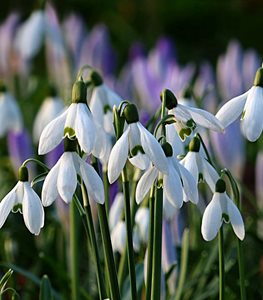
outdoor winter plants
Increase humidity around plants, such as with a humidifier, to help simulate conditions more like their natural habitat. Indoor plants will generally require less water when indoors than when they are outdoors. Outdoor winter plants attention to the more subtle signs that additional water may be needed, such as curled leaves on citrus. Never water without first checking soil moisture, since overwatering is easily done during a period of slower growth and can be detrimental.
You can protect your outdoor plants from snow and ice damage with a little planning and maintenance. It is quite easy to protect your plants through winter and back out into the blooming season again using just a few simple techniques.
Winter greenhouse
A winter greenhouse is an excellent method of saving plants from the rigors of winter; thus under protection, they go on with their growth in regulated conditions. Now while constructing an effective winter greenhouse, a site has to be chosen so that it receives maximum sunlight during the day and that must be southward-facing. The method for heat conservation could provide the possibility of energy saving, double-glazing, or thermal screen-type glazing.
Temperature stability is quite important for the health of your plants. You will want to use a heater, either electric or propane, should it get really cold at night. You’ll want to install a thermometer to see how the temperature fluctuates inside the greenhouse so they may remain within the right range suited for the plants. Other things to consider may be humidity: the use of a humidifier or water trays helps to maintain a moisture level and keeps plants from drying out in the drier air indoors.
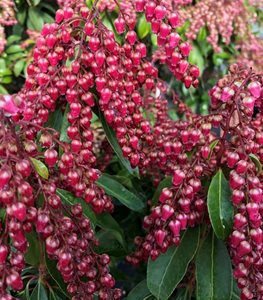
Winter flowering plants
Winter flowering plants ventilation goes a long way in preventing mold and mildew growth; therefore, give them sufficient air by opening the vents or windows when it is less extreme outside. You can further offer some protection by covering tender plants with cloths or blankets on very extreme days.
A winter greenhouse can thus provide the required conditions your plants need to survive and live through when light, temperature, humidity, and air circulation are appropriately controlled. You will, therefore, get fresh greenery throughout the year.
If you only have a few cold nights, you can cover your plants with a row cover or move them to a sheltered area like a garage.