
House plants
In general, a little underwatering of your plants is better than overwatering. Most houseplants like to be on the dry side rather than. Some plants, such as cacti and succulents, do need to dry completely between waterings. Water your plants slowly, allowing excess water to come out of the bottom of the pot. Typically, once or twice a week is sufficient except once every two weeks in winter. You will know a plant needs water when you insert your finger into the soil about two inches it feels dry; then it is time to water.

Temperature, Humidity
Houseplants typically do well at temperatures between 65-75°F (18-24°C) during the day and about 10°c cooler at night. Most plants require the same kind of humidity as exists in their natural habitat. For example, air plants Tillandsia species take their water supply from the atmosphere and need to be misted regularly. Keep in mind that drops of water touching the leaves for too long may harm; hence, good air circulation is very crucial. Position a fan near your plants to deflect excessive moisture away and help keep the leaves clean.
Indoor plants
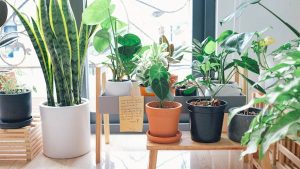
Best indoor plants
Light becomes very critical for photosynthesis. Indoor plants except for a few desert cacti and succulents, most houseplants do better in indirect sunlight. Houseplants that can tolerate indirect light will do best located near west-facing windows or several feet from south-facing windows. Plants like the ZZ plant, snake plant, pothos, and philodendron will tolerate low-light locations near a north or east-facing window. Some houseplants require artificial lighting especially during winter months or if put quite a distance from natural daylight. The LED grow lights will be ideal to provide full-spectrum natural sunlight.
The right potting soil supports the growth of the plants through a good mix of nutrients, air, and moisture retention capability. Most potting mixes contain peat moss, pine bark, perlite, and vermiculite.
Choose the Right Pot
A pot size, material, and drainage capability. You’ll want to pick one that is somewhat larger than your current plant’s root system but no more than a few inches wider in diameter. If you plant in a pot that’s too big, the roots may not be able to absorb moisture quite as well.
Outdoor plants
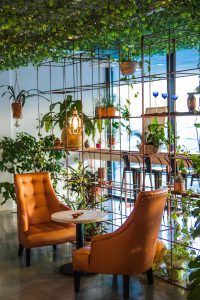
Fertilize for Healthy Growth
Healthy and flamboyant plants replace nutrients in the soil periodically. Outdoor plants general rule of thumb is to fertilize once a month during the growing or flowering season and reduce or stop in winter when the active growth slows. Keep in mind that different plants may have unique fertilizing needs. Outdoor plants have special care about surroundings, climate, and type.
Most plants grown outdoors require normal watering; however, one needs to be observant of the weather conditions and adjust frequencies and dry conditions call for frequent watering, while cooler or rainy conditions need less. Let the soil be good so it may allow water to drain out quickly and may not let water log in causing damage to the roots. Most outdoor plants enjoy the right combination of the sun: full or partial shade. Fertilize plants with a balanced fertilizer appropriate for specific types of plants, based on the product’s recommended application timing. Control for pests and disease issues regularly.
Housegreenry plants
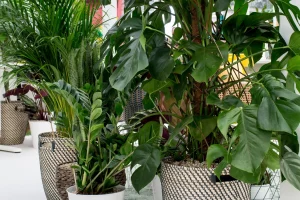
Ferns ,spider plants, and peace lilies are a great greening inside your room to add color and texture with freshness to your living space. These are usually like indirect lights, which most interior rooms have because of filtered sunlight.
Most indoor greenery plants like to have consistent moisture levels, so aim for light moist but not waterlogged soil. Mist regularly or use a humidity tray to replicate their native environment as closely as possible. Prune dead, dying, or yellow leaves to encourage new growth and the appearance of a healthy plant. Use a well-draining potting mix in a container with drainage holes to avoid root rot. Feed lightly through the growing usually spring to early fall a balanced, water-soluble fertilizer. With proper care, plants of this indoor greenery can thrive and increase the beauty and air quality within your home.
Garden plants
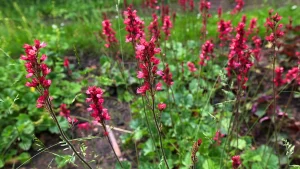
The type of garden plants to plant is determined by the climate, the kind of soil, and how much sunlight your garden gets. You can grow flowering perennials like lavender, coneflower, and rose, shrubs, ornamental grasses, or ground covers. Plant them in loosened and more draining soil enriched with compost or organic matter. Water new plants regularly to allow them to develop a good root system.
Adjust your schedule according to rainfall and the plant’s specific needs for water. Most garden plants benefit from a layer of mulch around the base for retaining water, suppressing weeds, and regulating soil temperature. Fertilize during the growing season with a balanced fertilizer following the specific needs of each plant.
Prune accordingly to ensure healthy growth and shape. For this purpose, lightweight plastic pots are highly suitable for hanging baskets or shelves. Terra cotta pots, being heavier, allow breathing but retain less moisture. A potting mix should be chosen based on plant species, such as for orchids and bromeliads the appropriate choice may be fast-draining potting soil, whereas in the case of succulents, a sandy potting mix will serve the purpose.