
House plants
House plants are an amazing way to add color and life to your home. Whether big or small, modern or traditional, there is a plant that will perfectly fit your place.
Novices have several easy plants to care for, from the trailing pothos to the low-maintenance indoor trees like the fiddle leaf fig and rubber tree. You can also choose some popular options like the Monstera or Kentia Palm. Ferns and clothes are plants that need a little more care and attention because they are quiet with their needs.
Choosing the perfect indoor plant for your home may be difficult at times. From experience with plant care, I have learned that selecting a plant should be based on appeal and affordability to care for. One should also consider being able to provide the right conditions for the growth of the plant.
The “string of hearts” is a great option for beginners: delicate, trailing, and easy to care for. The leaves are tiny, heart-shaped, silvery-gray, and have a pinkish underside. This plant stores water in its very long stems, reaching up to six and a half feet. It’s great on top of a shelf or in a hanging planter, adding to a bedroom nicely.
This plant generally will thrive at ordinary room temperatures, so long as it is out of drafts and away from direct sunlight. It does not want waterlogged soil. For extra care, mist it with water occasionally and place it near a window for a few hours in the morning or evening.

Indoor plants
Indoor plants have become growingly popular in the UK, offering both aesthetic appeal and air-purifying benefits.
Spider Plant
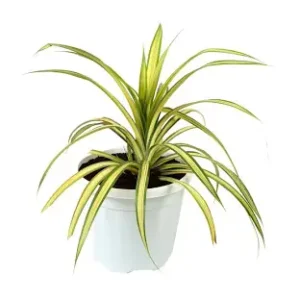
Among the favorites is the Spider Plant known for its arching leaves and safe cushy care.
Snake Plant
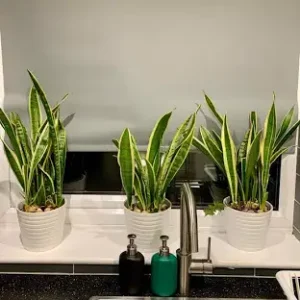
The Snake Plant with its distinctive strong rare uncommon out of the ordinary significant remarkable extraordinary incredible amazing astounding astonishing stop someone in their tracks staggering phenomenal upright leaves, is another top choice, especially for its resilience and ability to thrive in low light.
Calathea plant
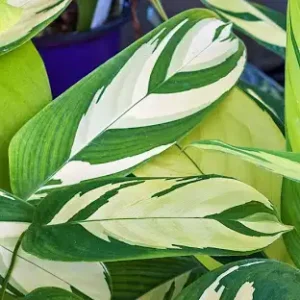
On the other hand, a Calathea plant colorfully patterned with leaves that add some color to any interior. However, it is much more sensitive and requires a bit more care. The most popular plant is the ZZ Plant, Zamioculcas zamiifolia, with deep green, waxy leaves. It tolerates neglect pretty well and thus can be considered an excellent choice for beginners or busy people.
Outdoor plants
These include but are not limited to, lavender, hydrangea, roses, and a cast of others that are beautiful yet robust enough to do well in the UK’s outdoor plants weather.
Lavandula plant
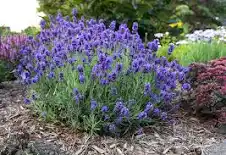
Lavandula plant for instance, is one of the favorite aromatically blooming plants that attract pollinators to the garden.
Hydrangea plant
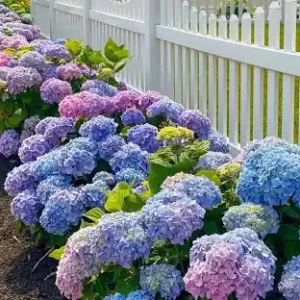
The Hydrangea bears big vibrant flowers whose colors change according to the pH of the soil.
Roses plant
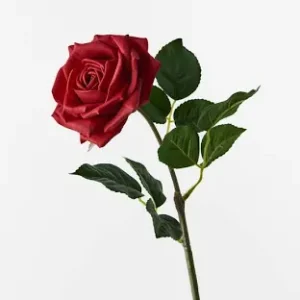
Roses
The roses– Rosa-are always classic with their striking bloom and grace in different colors and shades of fragrance. Hebe is an appealing shrub, mainly because of its compact form, bearing evergreen foliage and flowers that appear blooming from summer to autumn. The most commonly used geraniums are grown for their brilliant, long-flowering flowers, which can also be tender in cultivation and thus easy to look after.
Hollyhock produces tall flower spikes that bring a vertical element into cottage gardens. Boxwood, Buxus sempervirens, has been used as a hedge or topiary plant in gardens since very early times, as it will provide structure and greenery throughout the year. Clematis probably ranks as one of the most popular climbers, given their tremendous amount of profuse and colorful flowers that easily disguise walls and fences.
Garden plants
Transition areas from sun to shade very tricky in landscaping a garden; therefore, plants may be considered for such spots that can do well under both conditions. Various plants, in general, tolerate light conditions from partial sun to partial shade. This is where a wide range of choices comes in. Your particular climate will determine which specific plants will work with you regarding the intensity of sunlight and its generated heat. The correct choice of plants will steer you through the different light conditions of your garden plants.
Coral Bells
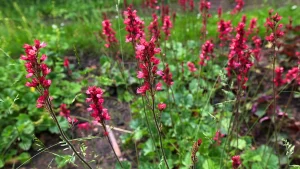
One such versatile perennial, Heuchera-or coral bells-adds beauty to the garden borders and accents with attractive foliage and dainty flowers in summer. The colors can range from deep purples through silvers to flaming oranges in the leaves of this plant, with many having intricate patterns and veins on them. Conditions can range from full sun to full shade for heuchera. The soil should be consistently moist, not wet or dry, to prevent the curling or drying out of leaves in sunny locations. When they remain in shadier locations, coral bells may not grow as fast the coloration of the leaves isn’t as rich.
It is important to note that coral bells love to face the morning sun and filtered afternoon sun. They thrive well in organically rich, well-drained soil.
Shasta Daisy
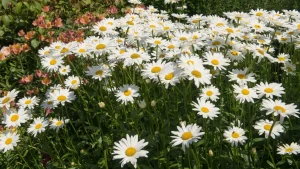
Shasta daisies are some of the classic flowers that bear white petals with bright yellow centers. They are midsummer bloomers that add cheer to any garden, including single and double-flowered varieties. Deep green leaves lower down offer a dramatic contrast against the clear, white blossoms. Shasta daisies are ideal candidates for gardens like a pollinator garden, cottage gardens, cut gardens, and small garden areas. They possess a natural, wildflower appearance but tend to maintain neat growth. These daisies do exceptionally well in partial sun but appreciate protection from intense sun in the hottest zones. They also tolerate partial shade.
Shasta daisies prefer average soils that are well-draining. For the most humid areas, the cultivar ‘Becky’ is a bit larger and exhibits better resistance to common fungal problems such as rot and leaf spots.