
Indoor plants
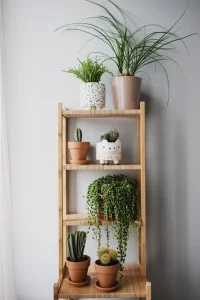
Houseplants or indoor plants add freshness to indoor spaces and bring a sense of the outdoors inside. They range from large and leafy, which can make one feel as though they are in a jungle, to small and bizarre succulents that may look very much like rocks. Some plants are meant to thrive in conditions, be it full of sun or heavy with shade, dry or humid. Thus, there’s always a perfect match for any room or the preference of any gardener.
Hoyas
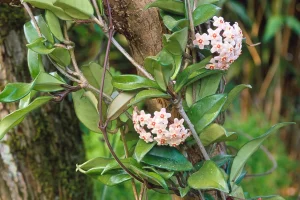
Indoor plants also boast several benefits, including boosting your mental well-being and improving indoor air quality. Various houseplants can purify the air by helping to eliminate pollutants possibly from things as benign as fire-retardant furniture. Whether you are a beginning gardener or an experienced one, there is an indoor plant for your lifestyle and home condition. t. Feed your plants about once a month during the growing season which includes spring and autumn with a houseplant fertilizer. Because most plants will slow down their growth during the winter months, they will require less water and less feeding.
How to grow house plants
Most plants kept in the house hail from tropical or desert lands and are used to heat or a much wetter or drier climate than that afforded them out-of-doors by most gardens. Given a modicum of care and attention, most can thrive indoors. Some have adapted to get along with noi rainfall for long periods, although some plants demand constant replenishment.

Before purchasing a house plant, it is important to understand what conditions the plant needs to live a healthy life and if you can provide those conditions at home. In general, most indoor plants like to be in bright, indirect light, and placing them a few feet away from the window is usually ideal. Keep in mind that no house plant will like being near a radiator, open fire, or air conditioning unit.
Choosing house plants
The other important determining factor in selection is the conditions that you can offer your plants. You definitely won’t pick a cactus that requires much sun when your rooms are generally dark or facing north. Plants that thrive in humid conditions, such as tropical plants, would do better in a bathroom or other damp areas of the home instead of a dry part of the house.
Take the time to research the plants that interest you. When you find one you love, know what the needs are so you can take it home and set it up for success.
spider plants
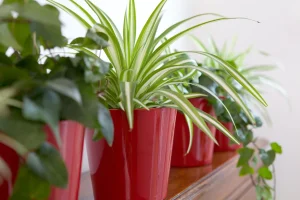
Spider plants has its needs, so it’s better to learn how to treat your plant correctly. Among the most typical mistakes with indoor plants, overwatering is first on the list.
Monstera
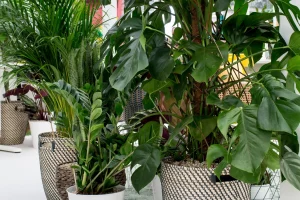
Monstera plant here the general rule is that indoor plants need to be watered only when the top 1-2 centimeters of soil feel dry. Most houseplants love high humidity as well, so mist them regularly with a spray bottle to help warm, dry rooms become moist.
Philodendron xanadu
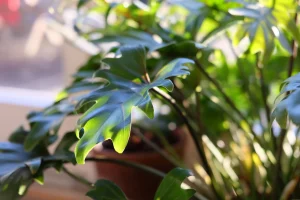
Philodendron Xanadu a beautiful houseplant bearing pretty lobed leaves, does in shady locations. Keep healthy in humid environments by misting regularly. Other popular houseplants of this genus that you may want to consider growing include Philodendron scandens, Philodendron erubescens, and Philodendron ‘Imperial Red.
Rubber plants
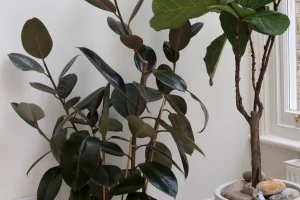
Rubber plants are low-maintenance evergreens, having smooth, leathery leaves and an individualistic habit of growth. Varieties include the variegated ‘Tineke’ and the deep greenpurple ‘Bali’. The rubber plant is one of several ficus varieties widely available in plant shops. Other favorites include the fiddle leaf fig, Ficus benghalensis, and Ficus benjamina. All prefer bright, indirect light and should be kept away from direct sun.
Maidenhair fern
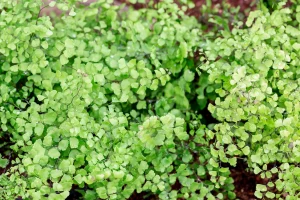
One of the beautiful houseplants with small leaves on dark, slender stems is the Maidenhair fern-Adiantum raddianum. This plant is a type of fern that will do exceptionally well in humid environments, making it an excellent choice in a bathroom with plenty of steam.
Another very good house plant is the Cape primrose, Streptocarpus, which certainly fills a niche under optimum conditions for the British Isles. The variety of flower colors is immense, and flowering can be achieved on a bright windowsill, out of the direct sun, from spring to autumn. Plants are also easy to care for, being tolerant of some neglect and requiring only moderate watering.
Air plants
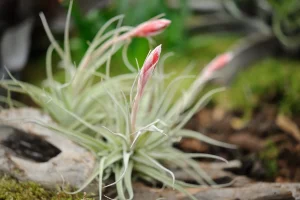
Since air plants do not require the soil to grow, they generally attain moisture from the air. However, this does not mean that they must not be watered. You may water them either by spraying or dunking them in a bowl of water for 30 minutes and letting them drain out thoroughly. The air plants will prefer a humid environment, usually found in the kitchen or bathroom.
House plants
They beautify the house, purify the air, and reduce stress while making everything look so calm. Care for the plants by giving them just the right light, water, and humidity to ensure their growth and longevity.