
House plants | indoor plant 2024 | houseplant
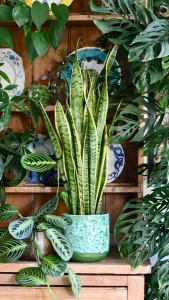
House plants
Furthermore, houseplants added to your space bring in aesthetic appeal along with a host of other added benefits to health and wellness. They purify the air naturally by absorbing toxins and emission of oxygen, hence improving air quality and reducing the amount of pollutants indoors. They are believed to be important in keeping the individual soothed and jolly, improving mood, reducing stress, and increasing focus and productivity. Houseplants are a selection of how particular your conditions are: lighting, humidity, and temperature. For low-lit areas or the beginning plant entrepreneur, go with snake plants, ZZ plants, and pothos. Succulent, spider plants and fiddle-leaf figs are going to need more light.
Plants could also be displayed on many levels: sitting on shelving, set on a plant stand, and even hung from the ceiling to maximize visual impact. The plants could be grouped with varying shapes and sizes, and textures that would ensure an interesting layered look. Larger plants like fiddle-leaf fig, monstera, or rubber plants will make any room special, while smaller ones like jade or aloe will fill up the shelves and tabletops.
Besides, the cascading effect of trailing plants-like English ivy or strings of pearls the edges and introduces an element of movement. Be extra careful in choosing the pot, as exceptionally decorative pots will look great while making sure they have good drainage to avoid root rot. Monitor each plant’s needs: water, light, and nutrients.
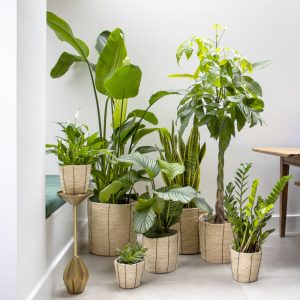
Indoor plant
The selection of indoor plant for a UK home needs to consider variable light levels and cooler temperature conditions. Go for hardy and low-maintenance ones that can thrive in different types of indoor environments. Snake plants, ZZ plants, and peace lilies are some of the perfect plants that can have low light inside your house, are resistant to common diseases, and have less frequency of watering.
Spider plants, ferns, and pothos perform well in bathrooms and kitchens since they are damper. Plants like succulents, aloe vera, and a rubber plant can thrive in brighter, sunnier areas for the most part, requiring a dose of direct sunlight with less frequent watering. Properly cared for, houseplants will thrive and provide the beauty from nature that you want in your home.
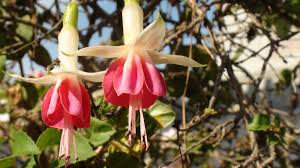
interior plants
Display interior plants in groups of varying sizes for added visual depth and interest. Larger plants, like monsteras or fiddle-leaf figs, can be set up in corners or beside furniture for a focal point, while smaller plants like jade or peperomia can fill up the shelves, window sills, or desktops. Trails, like a string of hearts or ivy, can be left to spill onto the shelves or into hanging pots for minimum lines, adding a touch of sophistication
. Make sure each plant goes into a pot that allows good drainage; sitting in water causes a plant’s roots to rot. Also, it is better to avoid peat-based compost, since peat extraction is more sustainable. Be observant of any overwatering signs, pest infestations, or nutrient deficiencies.
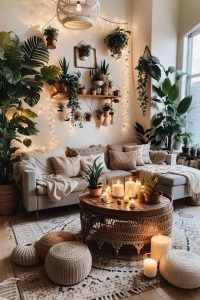
indoor plant wall
The innovative indoor plant wall helps to bring nature inside your home, making a bold statement by maximizing your space. Plant walls, or as they are more commonly called living walls-can help purify the air, lessen noise levels, and add a great-looking centerpiece that is visually stunning in any room. First, choose a location that receives ample light: The ideal situation would include bright, indirect light; although some plants could fare just as well under artificial grow lights. Plant species should be chosen that are comfortable in vertical positions, and have similar light and water requirements. Some other popular choices are pothos, ferns, philodendrons, and spider plants since these plants have hardiness and cascading growth habits.
grow plants indoors
Indoor gardening in the UK requires a little planning to adapt to the unique climate with days generally shorter and with sunlight not so intense, especially through autumn and winter. First, choose plants that are suitable for low light conditions and can easily survive if indoor conditions change. If you have a bright, south-facing window, consider lighter-loving options like succulents, jade plants, or even a rubber plant. Buy high-end potting soil that retains moisture but drains well. Use pots with drainage holes to ward off root rot. Be observant of any overwatering signs, pest infestations, or nutrient deficiencies.
indoor lavender plant
Indoor lavender can be a great idea, for bringing into your home this plant’s soothing fragrance and beautiful hues. First, choose a variety that will thrive well in a container, like English lavender or French lavender, since these usually do better indoors. Set the lavender plant in an area that receives much direct sunlight; it requires at least six hours of bright light daily. This plant prefers a south-facing window, but if your space has limited natural light, then supplement with a grow light to give the plant enough light to grow healthily. Use a well-draining potting mix, preferably a cactus or succulent mix, in order not to have the roots waterlogged.