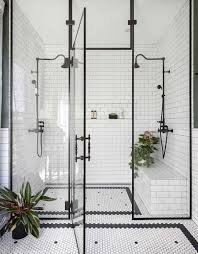
bathroom tiles
bathroom tiles Plastic, more precisely LDPE, has been used to a great extent in various forms of packaging due to its versatility. However, it is non-biodegradable, resulting in gross environmental pollution. In this light, the researchers are currently developing ways of recycling LDPE into valuable products, including composite materials reinforced with natural fibers.
The bathroom tiles current study aims at the preparation of composite wall tiles utilizing recycled LDPE reinforced by pineapple-leaf fibers. The process starts with the extraction of PALF by retting, followed by mechanical scraping and treatment with a 5% NaOH solution to enhance fiber-matrix bonding. Composites are then fabricated using the melt-mixing technique and compression molding. Different fiber lengths and weight proportions are tested on their influence over the composite’s mechanical properties, such as tensile strength, flexural strength, impact strength, and water absorption.
The results indicate that the optimum properties of the composite are obtained at a fiber weight proportion of 30% and fiber length of 30 mm. The produced composite tiles had a maximum tensile strength of 1562 N/mm², flexural strength of 454.9 N/mm², and impact strength of 225.2 J/mm². In addition, water absorption was seen to increase with an increase in the fiber weight proportion and fiber length.
bathroom design
bathroom design Background This paper discusses how bathroom design and toilet use interact with residents’ need for privacy, at a moment when they are uncertain, are visually impaired, or have dementia. bathroom tiles Research conducted in the context of earlier sketches for good practice and personal observations in Norway has demonstrated that bathroom design really matters for users’ independence, in a dignified and comfortable way, when using toilets.
The paper will not discuss problems related to the availability of toilets or washbasins and access to these facilities when the user stands independently, nor the use of diapers. In our science approach, the historical developments of privacy regarding toileting and the current practices in bathroom design within 20 Norwegian nursing homes have been assessed. bathroom design We were able to observe how the expectation of using toilets in private, enclosed spaces occurred concomitantly with the industrialization,
democratization, and hygienic modernization of Western countries. A survey of existing care homes showed very few features that supported individual privacy. There is a lack of adjustable toilets, crutch, and walking stick holders, flush mechanisms sited within easy reach from a seated position, and toilets cannot be visible from residents’ beds. Furthermore, contrasts are poor; toilet paper, soap dispensers, and paper towels are often out of reach; handles are not adequate; and there is a lack of adjustable sinks with space between the toilet and sink exceeding 70 cm.
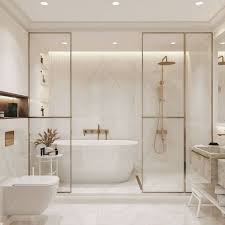
bathroom floor
bathroom floor Volumetric modules are increasingly used for efficiently creating well-serviced areas within buildings, such as bathrooms, kitchens, and spaces for mechanical equipment. bathroom design Recent advances in volumetric pod technology have led to the development of smaller, versatile modules that can be configured to offer various architectural solutions within a product family.
However, if the procurement strategy for these products is not carefully managed, cost variations can occur due to additional labor and materials needed to address design and construction decisions that may not align perfectly. In this context, a unique case study of a city center project using volumetric bathroom pods and pre-engineered component kits from the pod manufacturer provides a financial comparison of two modern bathroom construction methods. bathroom floor The analysis includes data on manufacturing costs, subcontractor labor, and material costs, considering both new construction and refurbishment scenarios.
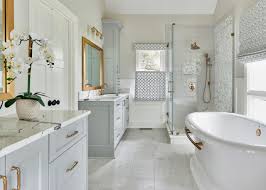
bathroom floor shawar
bathroom floor shawer bathroom floor One of the challenges currently being experienced with a growing demand for housing targeted at offering support for older people with high needs for care is the question of how a bathroom should be designed to improve their quality of lives. shawar bathroom floor The impact of showering—an important part of personal care—on QoL cannot be underestimated, especially when carried out with the assistance of another person. bathroom floor shawer therefore, looks at the basic tenets of a bathroom design that could be applied to make the QoL of an older person, who requires care, better.
These data were collected through in-depth interviews and observations of the sample, which consisted of twenty-six elderly subjects and their caregivers living in New Zealand. bathroom design The study focused on the retirement village and a wide range of rental housing in the public and private sector. Results show most such spaces to be too small to comfortably allow assistance without causing discomfort, and often lacking features that can deal with issues of privacy and safety for the user and the helper.
Other major problems were a lack of space to assist with showering and drying, without it being necessary to do so in a way that spreads water onto the floor, which could become a slipping hazard to the caregiver, and a lack of level shower entrances. For carers to maintain and support the dignity and independence of older people who have a high level of need for care and to enable their privacy, bathrooms need to be designed larger or more flexibly.