
Bedrooms design

Bedrooms design first and foremost, realize your taste—be it minimalist and modern, traditional and rustic, or anything eclectic. Magazines, online platforms such as Pinterest, and design blogs are some great places to find inspiration.
Choose a color palette relating to your style. Light or neutral hues help achieve a serene experience, while bold colors can introduce drama and character. Consider working with a combination of complementary colors for balance. Know the measurement of your room, because this will help you to choose the right furniture to avoid over-crowding.
For most bedrooms, the bed is the focal point and determines the placement of other pieces. Position it with an approach from both sides and leave ample space for passage. First, arrange the large pieces, for example, the wardrobes and dressers. Second, arrange the smaller ones, such as the nightstands.
Make sure the room has a good flow. Position the furniture so that there is an unobstructed path. Choose a bed according to the style and requirements of your comfort. Choose a bed size, be it King, Queen, or Full, according to the vastness of your room. Stylize the headboard according to your room decor.
Storage: The storage solutions one can opt for in a bedroom include dressers, wardrobes, and under-bed storage. Think about a two-in-one kind of piece, like a bed along with drawers or one with incorporated bedside tables that can fit extra storage space.
Seating: If possible, add seating to your room as a comfortable chair or even a small loveseat. You can turn this into a reading corner or simply a space for relaxation.

room design ideas
Room design ideas the rug anchors the room and gives comfort to the feet. Choose a rug appropriate in size for the space – ideally, large enough to extend beyond the bed.
Choose window treatments that best blend in with the style you are incorporating into your room. You can also consider laying curtains over the blinds for a stylish yet functional look.
You can also make your room more personable with the addition of artwork, pictures, or decorations. A gallery wall or one big piece of art may also create a focus. For example, cotton bed sheets, wool blankets, and decorative pillows hold a dual perspective of a layered look and depth with warmth altogether.
Plants indoors
Plants indoors into your apartment with some of these plants. They filter the air and make it a bit more relaxing. Show those things that will make you feel at home, such as family photographs, heirlooms, and travel to liven things up. Make the room very practical for your routine day. Put in a place to dress, mirror to put on make-up or do hair, plenty of places to plug in devices. This should be a high ranking on the list with almost anything you put in your room, the soft pillows, soft bedding, and some add-ons like a weighted blanket even and an essential oil diffuser can help you relax more at night.
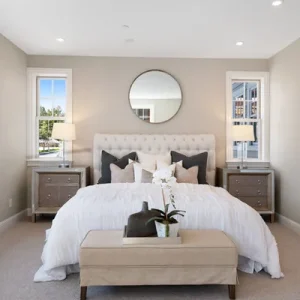
Finishing Touches
Put all your accessories back in their position. This little stuff adds so much to the accentuation of a living room.
Don’t forget to have a cohesive design. One must maintain one color palette and style. Inconsistency always leads to confusion. More ever even eclectic styled designs do much better when they have a unifying inspiration or element. Finishing Touches bedroom should evolve along with you. Do not shy away from making changes along the way—whenever your tastes or needs change. By considering each in detail, you will be able to make a bedroom that is truly beautiful and at the same time a sanctuary where you may relax and rejuvenate.
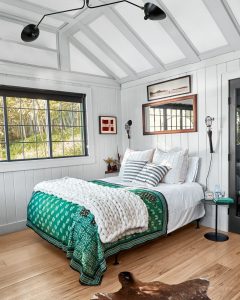
Flexible design
Flexible design will make updates and refreshes easy anytime you need to do them. Nightstands Make sure that the nightstands are practical enough for holding the lamps, accessories, and a few books, but show an aesthetic appeal that matches the design of the bed. Lighting Layered Lighting Includes the use of ambient, task, and accent lighting. General lighting should feature overhead lighting, from which table lamps offer task lighting, including reading in bed, while accent lighting can highlight artwork or architectural features.
Calming Colors
Calming Colors go for soft and neutral colors that bring serenity, like beige, gray, or pastels. If you want to spice things up, you could add those types of colors through accents—think accent pillows, rugs, or even artwork. Position the bed in the middle of your room on the longest wall. Also, think about having a statement headboard, as that will give extra style. Buy good bedding that goes with your color scheme and will provide comfort. Sheer curtains for a soft look in the rooms or blackout curtains for facilitating quality sleep.
One should be ready to invest in good bedding, and hence a quality period of sleep.